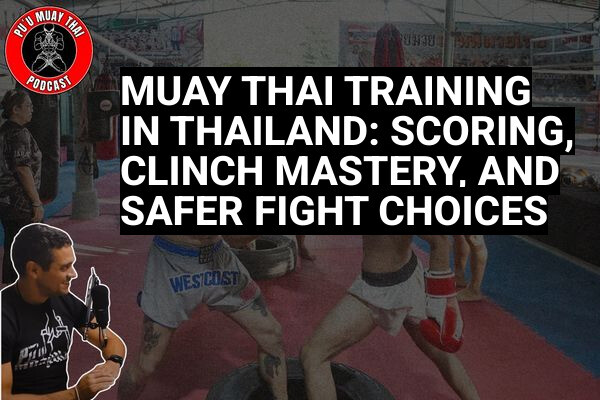
Muay Thai Training in Thailand: Scoring, Clinch Mastery, and Safer Fight Choices
What This Covers
Serious students of Muay Thai often dream about testing themselves in Thailand, refining their clinch, and understanding real stadium scoring. This guide distills practical lessons on training abroad, navigating modern Thai rule sets, managing risk around gloves and head trauma, and making smart career decisions when injuries strike.
If you are considering Muay Thai training in Thailand, you will find insights on how to structure camps, choose gyms, understand today’s Rajadamnern-style scoring, and translate elite clinch concepts into your daily practice. The ideas below are grounded in lived experience from years spent on the Thai circuit and informed by coaching work inside the United States.
The Late-Starter Advantage in Muay Thai
Starting in your late twenties or thirties is not a dead end. Many athletes who begin later are fresh, motivated, and more disciplined with recovery and strategy. The challenge is matchmaking and finding technical bouts rather than brawls, which is why so many smaller athletes gravitate to Thailand where deeper pools exist at 55 to 61 kg.
For late starters, Muay Thai training in Thailand can compress learning cycles. Focused work with Thai trainers sharpens timing, balance, and defensive awareness across hundreds of controlled rounds. That foundation protects you as intensity scales in real fights.
Joel Licata is a prime example. At 5'5" and walking near 60 kg, he found more consistent, technical matchups in Thailand than in the United States. That access, combined with deliberate clinch development, let him compete on respected cards and bring refined tactics back to North America.
Muay Thai training in Thailand
Immersive living and training deliver the speed of adaptation you cannot simulate at home. During periods with few foreign athletes in Chiang Mai, one-on-one attention from elite Thai coaches accelerated skill growth. Training under Thailand Pinsinchai, a Golden Era standout, is a blueprint for how focused padwork, clinch rounds, and cultural immersion produce balance that holds up under pressure.
Competition in the North often includes outdoor festival shows and provincial stadiums where locals pack the venue. Fighters who then step into Bangkok discover the nuance of stadium scoring. Modern Rajadamnern events have tilted toward open scoring and stricter enforcement, which changes round 5 behavior: if the score is close, athletes now engage instead of conceding the dance-off that old-school gamblers preferred.
Expect referees to call foot-sweep fouls and break slow clinches faster than before. For international athletes, even three-round series like Rajadamnern Knockout are meaningful stages that reward balance, body kicking, and posture control rather than wild exchanges. That tilt favors anyone who has built a Thai-style rhythm in camp.
Technical takeaways from extended Muay Thai training in Thailand include efficient long guard, lean-back defense against high kicks, and clinch frames that punish head position errors. These habits hold value in any ring worldwide.
Gloves, Kard Chuek, and Athlete Safety
Small MMA glove and kard chuek formats are exciting but they spike risk in ways many athletes underestimate. The lighter glove increases the likelihood of facial fractures, orbital injuries, jaw damage, and dental trauma. It also changes concussion dynamics because the force concentrates into a smaller surface area, driving sharper accelerations on impact.
There is also the under-discussed epidemic of hand injuries. Frequent metacarpal breaks in small gloves can sideline a fighter six to eight months, assuming clean surgery and healing. Even if you love the spectacle, weigh the long-term cost against your goals and age. Traditional gloves already carry enough risk for knockouts and cumulative brain injury.
Licata favored full gloves to manage career longevity. That decision mirrors a prudent approach for late starters or anyone balancing work, coaching, and family with high-level sparring and competition.
Making the Move and Fighting Abroad
Leaving home to fight is no longer limited to Bangkok or Phuket. Pathways run through Northern Thailand circuits, Bangkok stadiums, and international shows in places like Tulum, Mexico, where boutique promotions offer camps and quick turnarounds. Smart preparation beats spontaneity every time.
Map your timeline. Book 4 to 6 weeks for camp when possible and confirm likely dates for fights.
Choose a gym for your style. If you need clinch and posture, select a camp known for it, not only for pad theatrics.
Communicate early with matchmakers on weight, experience, and preferred rule set. Be specific about glove size and round length.
Train to your opponent’s tendencies. If footage shows a fast head kick, ingrain lean-back mechanics and counter-kicks daily.
Control recovery variables. Hydrate, avoid sketchy street food near weigh-ins, and use oral rehydration salts if digestion is upset.
Know local hospital options and insurance details. Build a plan for imaging and follow-up if injuries happen.
Structured planning makes Muay Thai training in Thailand, or any international camp, far more productive. You will arrive sharper, accept better-matched bouts, and adapt faster to local judging.
When to Retire - Injury Realities and Smart Decisions
Rib fractures and pneumothorax are real risks after heavy knees or body kicks. Warning signs include stabbing rib pain, shortness of breath, or worsening chest tightness in the 24 to 72 hours after a fight. Do not wait for a miracle. Seek an X-ray. A collapsed lung may require a chest tube through the side of your torso and several days inpatient to re-expand and heal.
Waiting can magnify infection risk at an incision site and delay return to normal activity. Honest self-assessment matters. If repeated major injuries start to stack and healing windows are long due to age or responsibilities, there is wisdom in stepping back from competition. Retiring from fighting is not quitting. It can be the gateway to coaching, mentoring, and raising the standard for the next wave.
Another lesson that costs less to learn: do not fight while dehydrated from food poisoning. Even if you feel okay by bell time, delayed reaction speed and compromised body resilience can turn manageable shots into serious harm.
Elevating US Muay Thai Through Coaching and Clinch Mastery
The United States benefits every time a seasoned athlete returns from Thailand with refined tactics and cultural context. The biggest gap is not talent. It is education. Clinch structure, head position, hip control, and off-balancing sequences remain undercoached in many rooms.
Licata’s focus as a coach in Maryland reflects this priority: build balance and defense first, then layer scoring strategies that match modern stadium trends. As open scoring spreads and round 5 engagement increases, fighters who can protect leads with posture, body kicks, and clinch control will thrive.
Seminars that translate Thai habits into repeatable drills accelerate the curve nationwide. The most effective programs blend padwork with stance integrity, kick-catch counters, and dedicated clinch rounds that reward stable posture over raw strength. That approach echoes what works in Muay Thai training in Thailand and shortens the time it takes to produce ring-smart athletes.
Listen to the Pu'u Muay Thai Podcast
Explore the Pu'u Muay Thai Podcast for on-the-go Muay Thai content, insights, and entertainment from voices shaping the sport today.


